
Tin tức
Bài viết liên quan
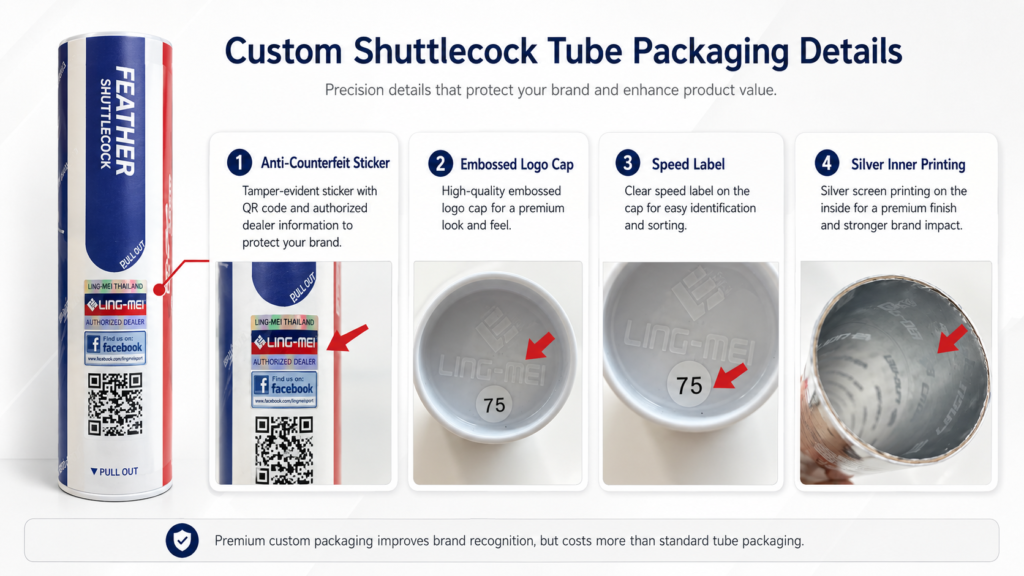
Custom Shuttlecock Tube Packaging: Is Premium Branding Worth the Extra Cost?
When a new badminton brand begins sourcing OEM shuttlecocks, packaging often starts as a secondary consideration.
The buyer usually focuses first on feather grade, cork structure, speed, durability, ...
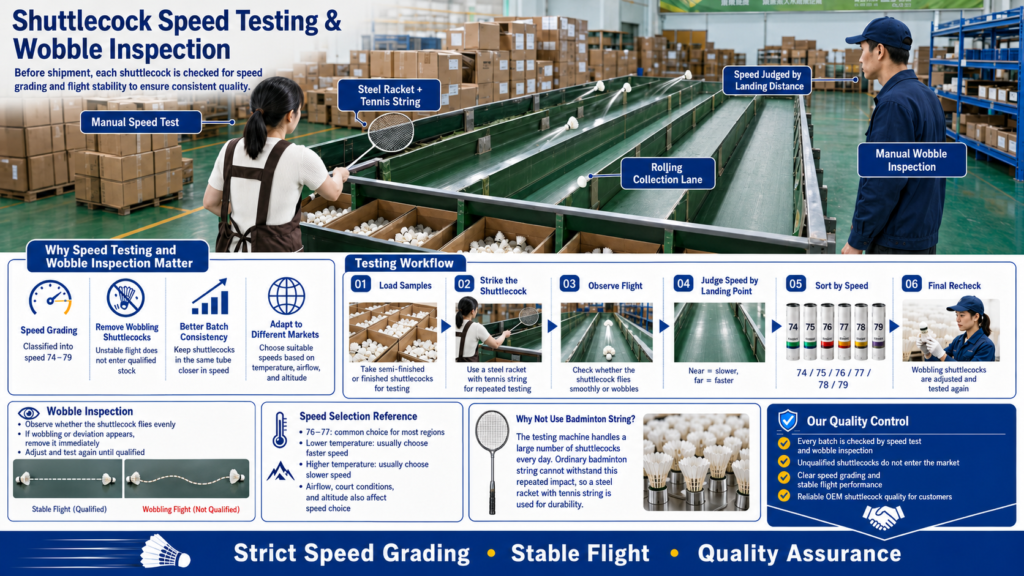
Shuttlecock Speed Testing and Wobble Inspection: How Factories Sort Every Shuttlecock Before Shipment
A feather shuttlecock may look perfect on the outside, but appearance alone cannot prove its speed or flight stability.
Before shipment, professional shuttlecock factories need to test whether each s...
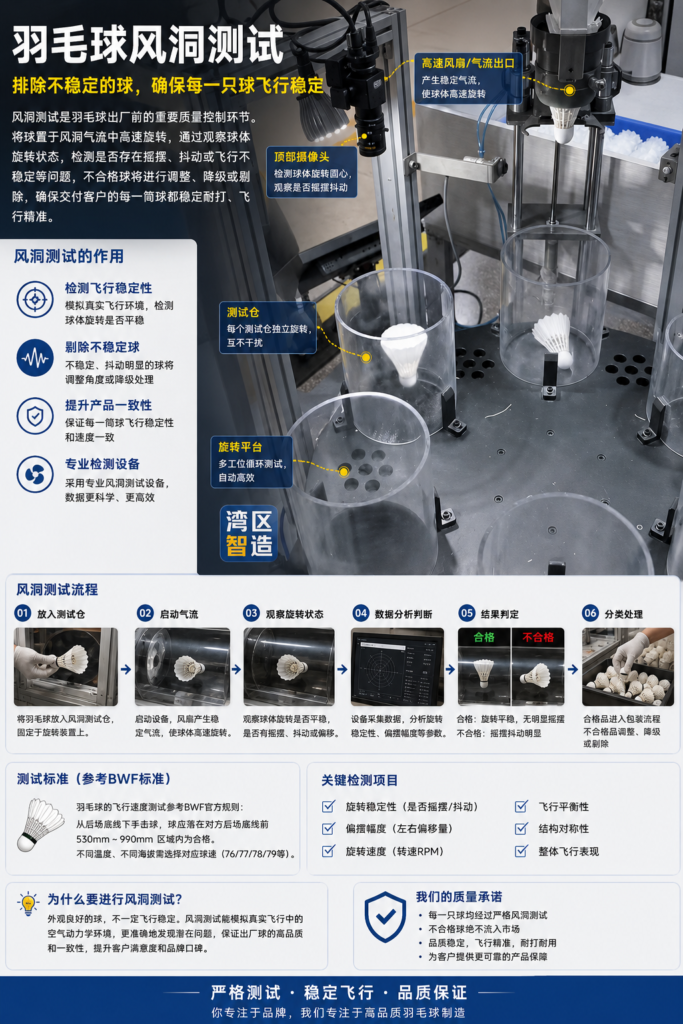
Shuttlecock Wind Tunnel Test: How Factories Check Flight Stability Before Shipment
Before a feather shuttlecock leaves the factory, it must go through several quality control steps. Feathers may look clean, the cork base may feel solid, and the packaging may be well printed — but no...
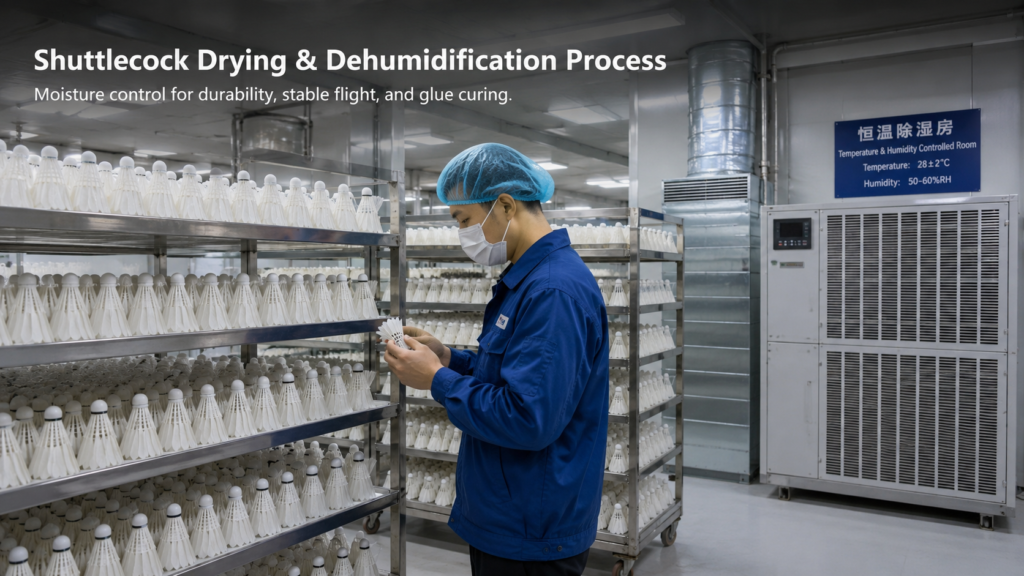
Shuttlecock Drying and Dehumidification Process: Why Moisture Control Matters in Feather Shuttlecock Manufacturing
In the feather shuttlecock manufacturing process, many buyers pay attention to feathers, cork bases, glue, and flight testing. However, one important step is often ignored: drying and dehumidification...
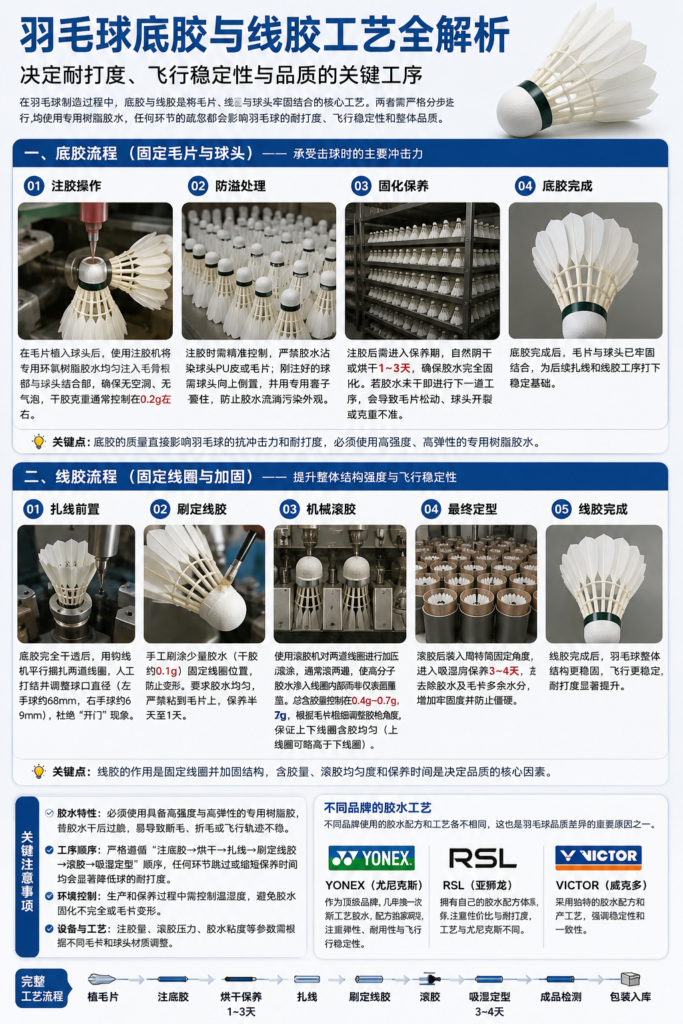
Shuttlecock Base Glue and Thread Glue Process: Why Adhesive Technology Matters in Feather Shuttlecock Manufacturing
When people talk about feather shuttlecock quality, they usually focus on feathers, cork bases, or flight performance. But in actual shuttlecock manufacturing, another critical factor often decides wh...
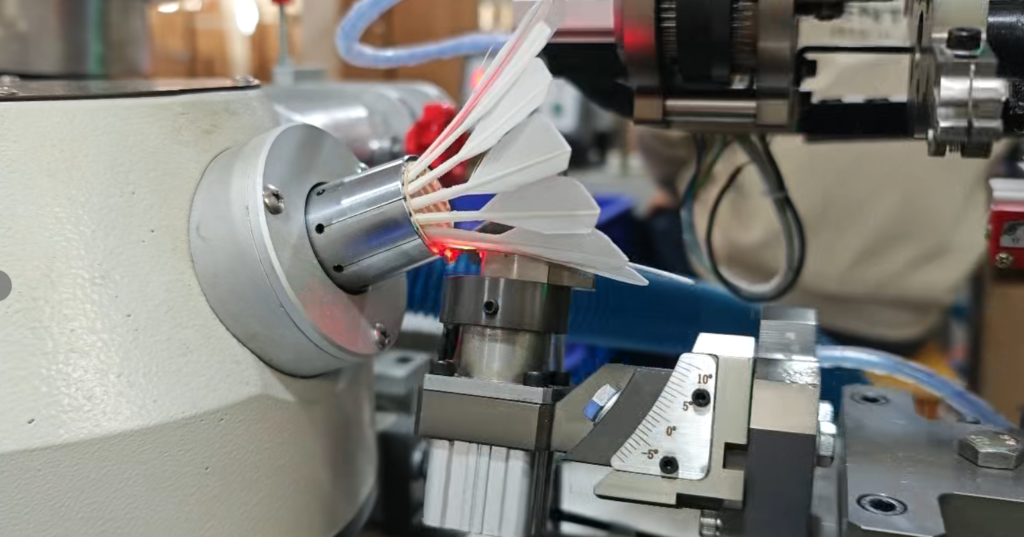
Shuttlecock Feather Insertion Machine: How 16 Feathers Are Inserted for Stable Flight
In the shuttlecock manufacturing process, feather selection is only the beginning. After the right goose feathers or duck feathers are selected, the next key step is feather insertion.
This is the ...
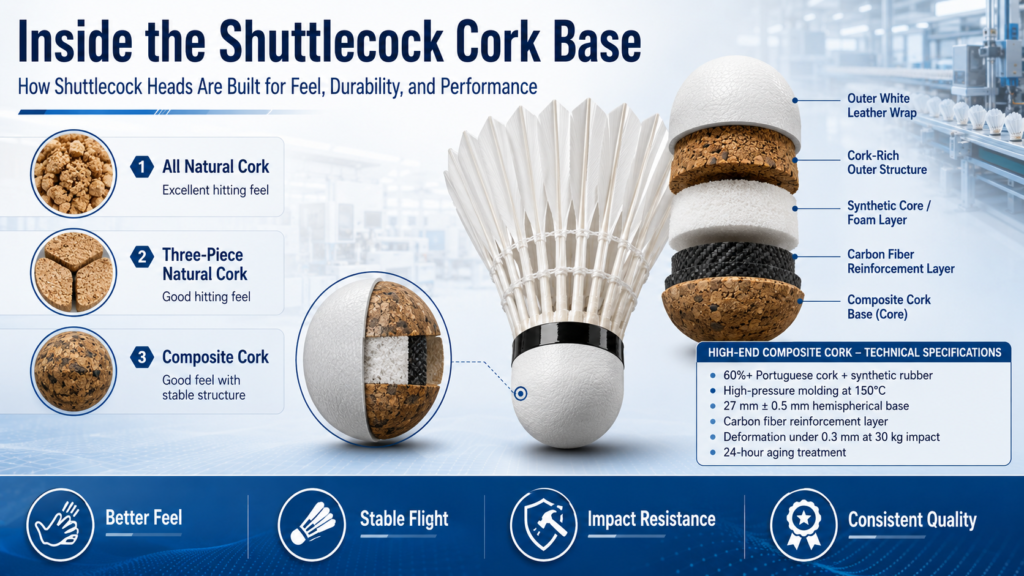
Inside the Shuttlecock Cork Base: How Shuttlecock Heads Are Built for Feel, Durability, and Performance
When buyers compare feather shuttlecocks, most attention usually goes to the feathers. Feather quality does matter — it affects flight stability, durability, and speed consistency. But there is anothe...
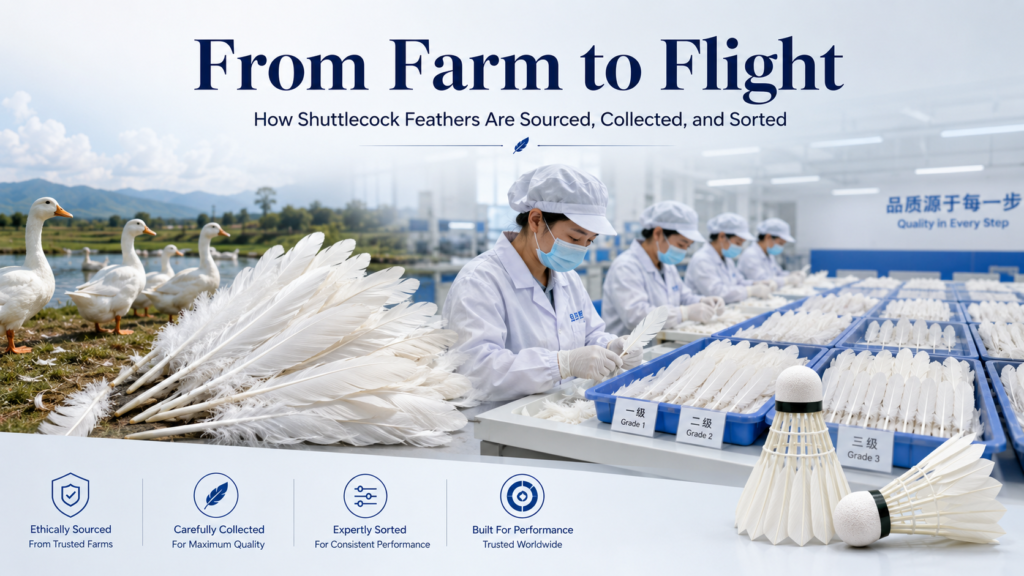
From Farm to Flight: How Shuttlecock Feathers Are Sourced, Collected, and Sorted
For many badminton players, a shuttlecock is simply a small, lightweight object that flies across the court. But for an OEM shuttlecock manufacturer, every shuttlecock begins long before assembly — it...
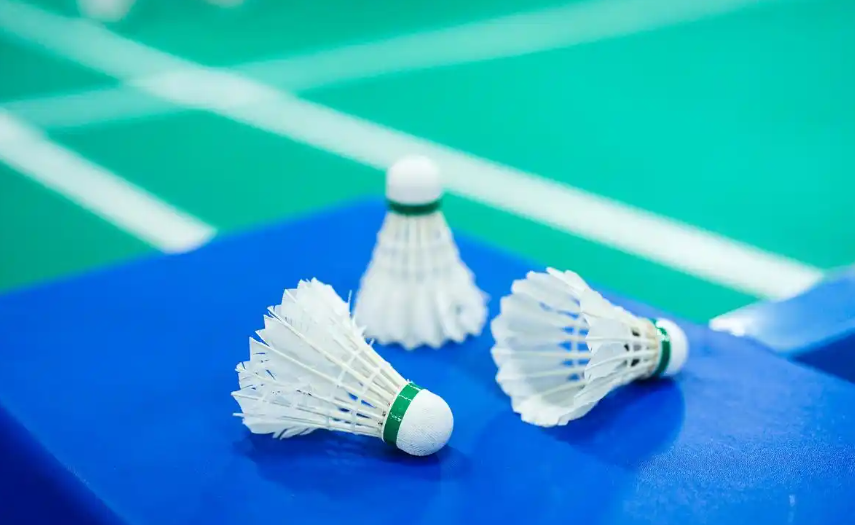
OEM Shuttlecock Manufacturer in China: How to Choose the Right Partner for Your Badminton Brand
The global badminton market continues to grow rapidly, creating new opportunities for distributors, sports brands, badminton clubs, and wholesalers.
As demand increases, many companies are exploring ...
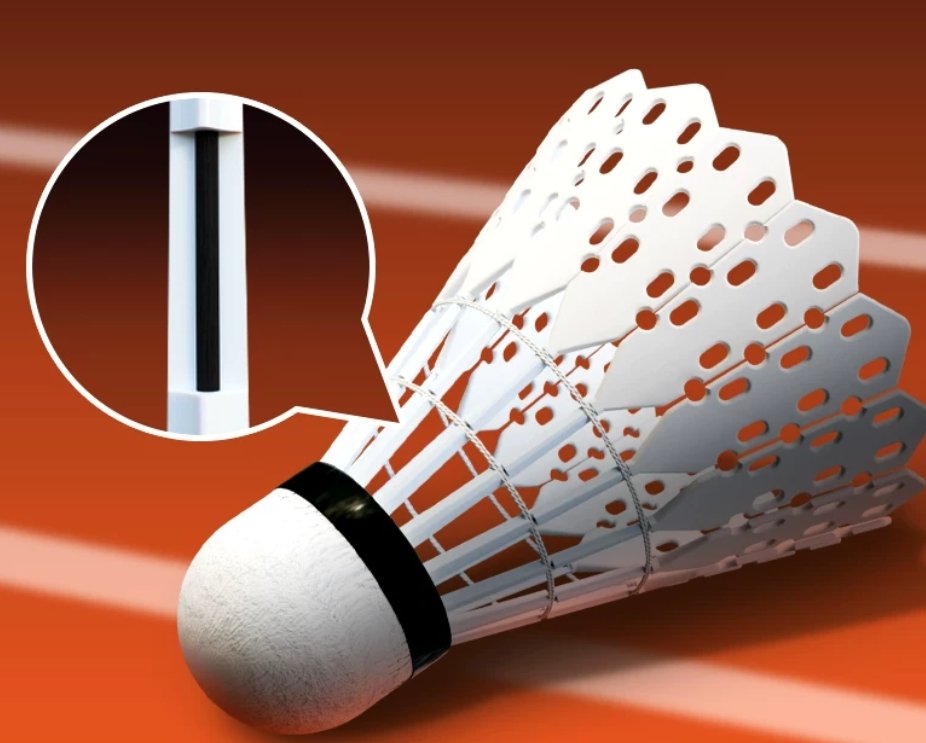
Synthetic Shuttlecocks Are Taking Over — How OEM Factories Are Adapting
Synthetic shuttlecocks are no longer a niche product. With rising costs and supply volatility in goose and duck feathers, European clubs and training centers are increasingly turning to synthetic alte...
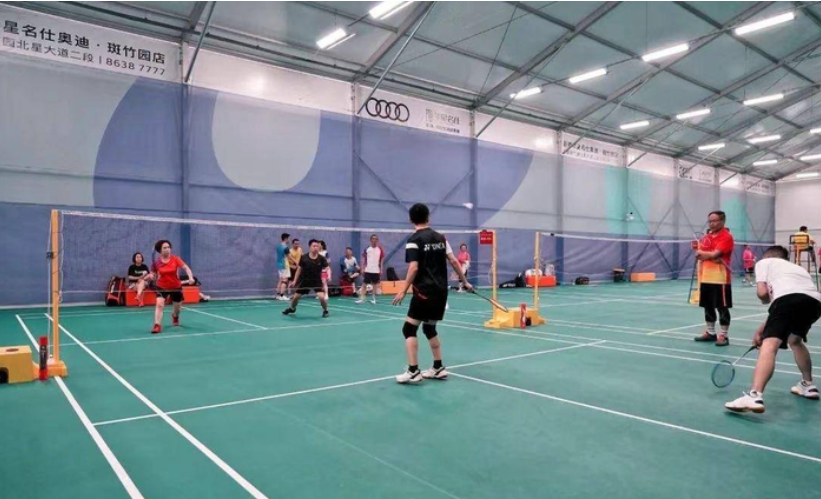
Duck vs Goose Feather Shuttlecocks — Choosing the Right Material for Clubs and OEM Orders
When sourcing shuttlecocks for clubs, tournaments, or wholesale distribution, the choice of feather type is crucial. Goose and duck feathers remain the standard for high-quality shuttlecocks, yet thei...
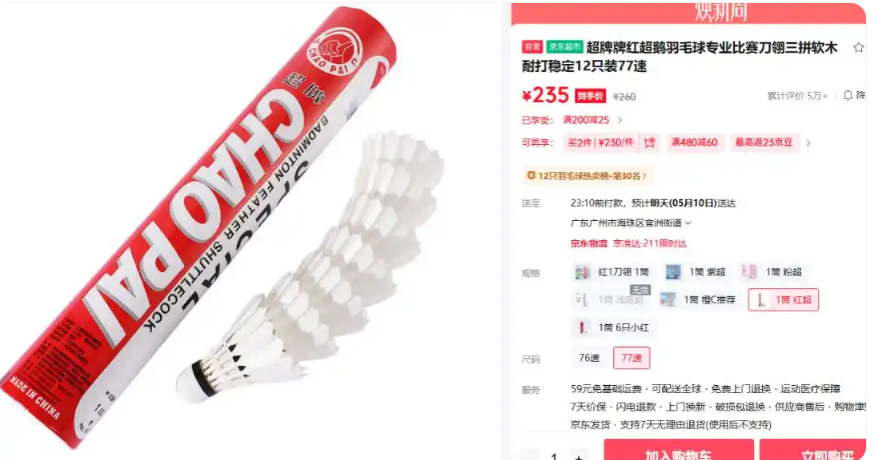
Why Shuttlecock Prices in 2026 Are Stabilizing — What UK and European Buyers Need to Know
In recent years, shuttlecock prices have seen unprecedented fluctuations. From 2022 to 2025, international badminton players and clubs witnessed a rapid surge in costs, often surpassing the price of g...