There is nothing unusual about a buyer paying a deposit for an international order.
What is easy to forget is how much trust sits behind that payment.
The buyer and supplier may be thousands of kilometres apart. They may never have met. The buyer may have seen the factory only through a website, emails, photos and videos.
Then one day, the buyer has to transfer a substantial amount of money and trust that the supplier will actually do what was promised.
We recently completed an OEM shuttlecock order that made us think about this again.
This is not a fictional case study or a reconstructed marketing example.
It is a real order from a customer who first found us through our official website.
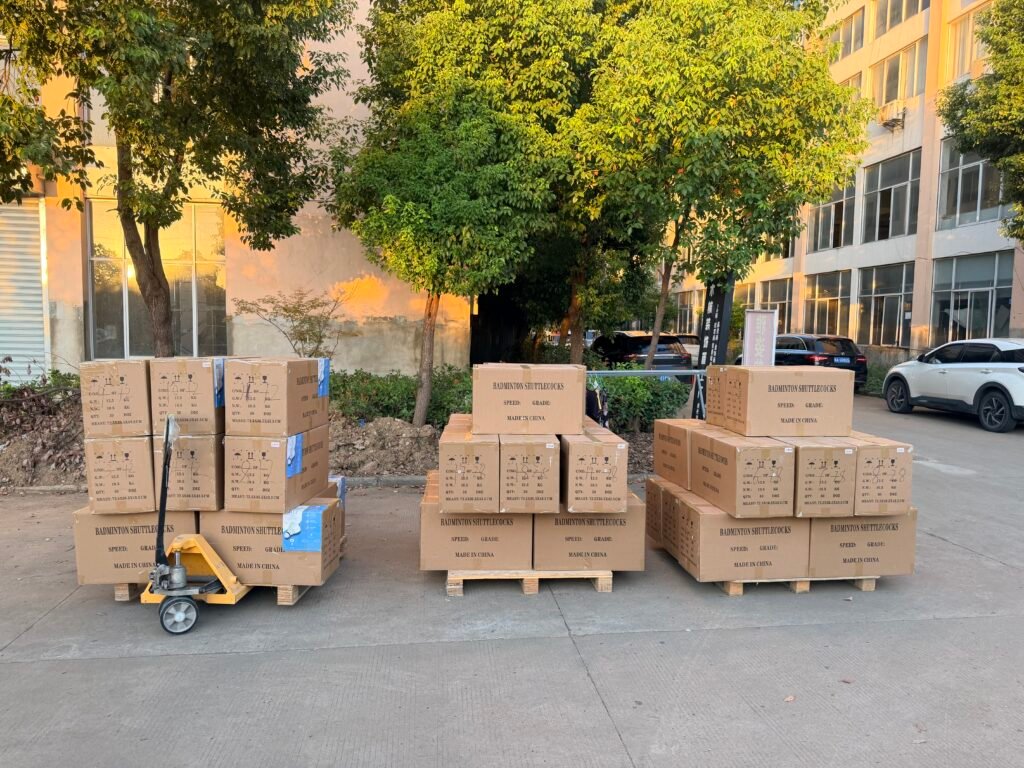
The process went from an online enquiry, to around two weeks of email communication, to paid samples, product testing, a planned factory visit, a 30% deposit, a planned third-party inspection, final packing verification, and eventually the shipment of 2,000 tubes of customized shuttlecocks.
The order was completed successfully.
But the part we value most is not the number of tubes.
It is the trust that had to be built before the customer was willing to place the order.
The Customer First Found Us Through Our Website
There was no trade show meeting.
No existing customer introduced us.
No agent stood between the two companies.
The customer contacted us directly through our official website.
At that point, we were strangers.
They knew what they could see online and what we told them in our emails. We knew only the requirements they shared with us.
That is how many B2B sourcing relationships begin today.
A website generates the first contact, but a website alone cannot close an OEM shuttlecock order.
The next step is to determine whether the supplier understands what the customer is actually trying to buy.
We Spent Around Two Weeks Discussing the Product
The first stage was not about pushing an order.
We exchanged emails for roughly two weeks.
The customer explained the type of shuttlecock they wanted, their market requirements and their expectations.
We discussed different product options and different price levels.
This is normal in shuttlecock sourcing because there is never only one possible product.
Different combinations of feathers, cork bases, speed, durability and packaging create very different price points.
But one principle is important to us:
The most expensive shuttlecock is not automatically the best shuttlecock for a customer.
A buyer may be able to purchase a very high-grade goose feather shuttlecock, but if the final retail price does not fit the local market, that product is not commercially suitable.
Our job is not simply to say:
“This is our highest quality. Please buy this one.”
We need to consider what the customer is trying to sell.
Sometimes a slightly lower-priced model with good flight, acceptable durability and the correct market positioning is a better decision than an expensive tournament product.
So we recommended the shuttlecocks that we believed were most suitable for this customer rather than simply recommending the highest-priced option.
The Customer Paid for Samples
After the initial discussions, we prepared samples.
The customer paid the sample charge and courier cost, and the process was straightforward.
This is an important part of the cooperation because feather shuttlecock quality cannot be confirmed properly through a quotation, photo or video.
A buyer needs to hit the shuttlecock.
They need to judge:
flight stability;
speed;
durability;
hitting feel;
cork response;
consistency.
We can explain our feathers.
We can explain the cork.
We can show the factory.
We can send speed-testing videos.
But the customer still needs to test the actual shuttlecock in their own market.
The samples created a physical reference between both sides.
Now we were no longer discussing an abstract product description.
We had a product that the customer could test and evaluate.
By Mid-July, the Customer Was Ready to Place the First Order
After the sample evaluation and further communication, the customer decided to move forward.
The first commercial order was approximately 2,000 tubes.
This was the point where the relationship changed.
Sending money for samples is one level of risk.
Sending a commercial deposit for thousands of tubes is completely different.
And this is where we could clearly understand the concerns from the customer’s side.
Why Would a Buyer Trust a Factory on the Other Side of the World?
Think about it from the buyer’s position.
You find a shuttlecock supplier online.
You communicate for a few weeks.
You receive samples.
The samples are good.
But you still have never visited the factory.
Now you are expected to send a substantial payment to a company in another country.
There are many reasonable questions.
What if the supplier is dishonest?
What if the bulk quality is different from the samples?
What if cheaper feathers are used after the deposit is received?
What if production is delayed?
What if the packaging is wrong?
What if the supplier does not finish the goods before your planned selling season?
What if communication suddenly becomes difficult after payment?
These concerns are completely understandable.
From the supplier side, it is easy to say:
“Please trust us.”
From the buyer side, trust is much more expensive.
They are the one sending the money first.
The Original Plan Was to Visit Our Factory Before Ordering
The customer originally planned to come to our factory before placing the commercial order.
We considered that perfectly normal.
For a new buyer, visiting a shuttlecock factory can help confirm many things:
whether the production facility actually exists;
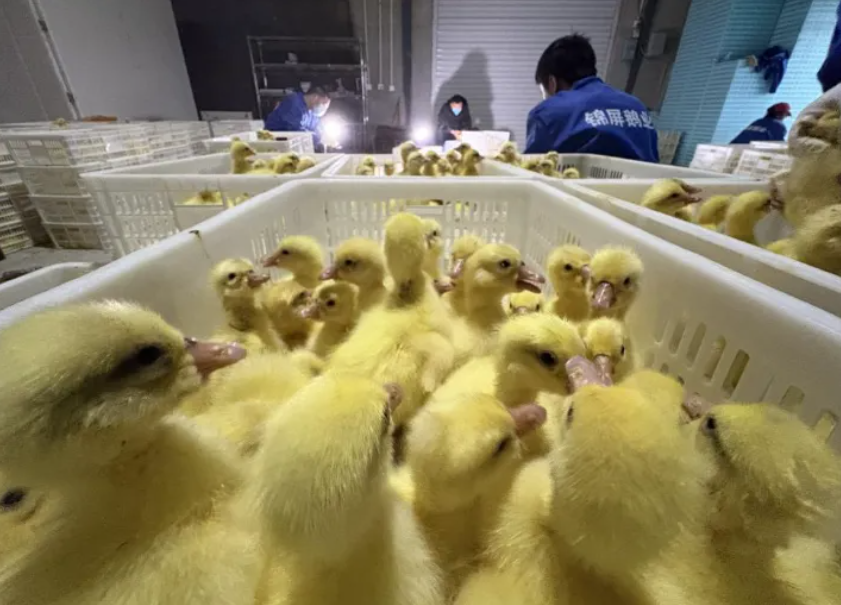
how feathers are handled;
how shuttlecocks are assembled;
how quality is checked;
how packaging is managed;
whether the supplier has real production capability;
whether the people behind the emails are reliable.
However, because of other circumstances, the customer eventually cancelled the trip.
That created a decision.
They could postpone the order until a factory visit became possible.
Or they could continue based on the samples, communication and information already available.
The customer decided to continue.
The Customer Paid a 30% Deposit Without Visiting the Factory
The first order was confirmed with a 30% advance payment.
We do not take this kind of payment for granted.
From our perspective, once a new customer sends a deposit, we have accepted a responsibility.
The customer has already done their part.
Now we have to prove that the trust was not misplaced.
This is where reputation becomes much more important than what can be written on a quotation.
A supplier can write:
“Professional manufacturer.”
“Stable quality.”
“Reliable delivery.”
“Best service.”
Every supplier can write those words.
The real test begins after the payment arrives.
The Customer Initially Planned a Third-Party Inspection
Because this was the first commercial order, the customer also planned to arrange an independent third party to inspect the goods before shipment.
The main inspection points would include the shipment quantity and packaging labels.
Again, we thought this was reasonable.
A third-party inspection is not an insult to a supplier.
It is simply one method a buyer can use to control risk.
Especially on a first order, buyers may want another company to confirm that:
the quantity is correct;
the labels are correct;
the packaging follows the approved design;
the goods are physically ready for shipment.
If a customer wants to inspect the goods, we have no problem cooperating.
But before shipment, the customer changed the plan again.
The third-party inspection was cancelled.
Instead, the Customer Asked Us to Provide Final Packing Evidence
Rather than sending an inspector, the customer asked us to provide the information they needed directly.
We supplied final packaging videos.
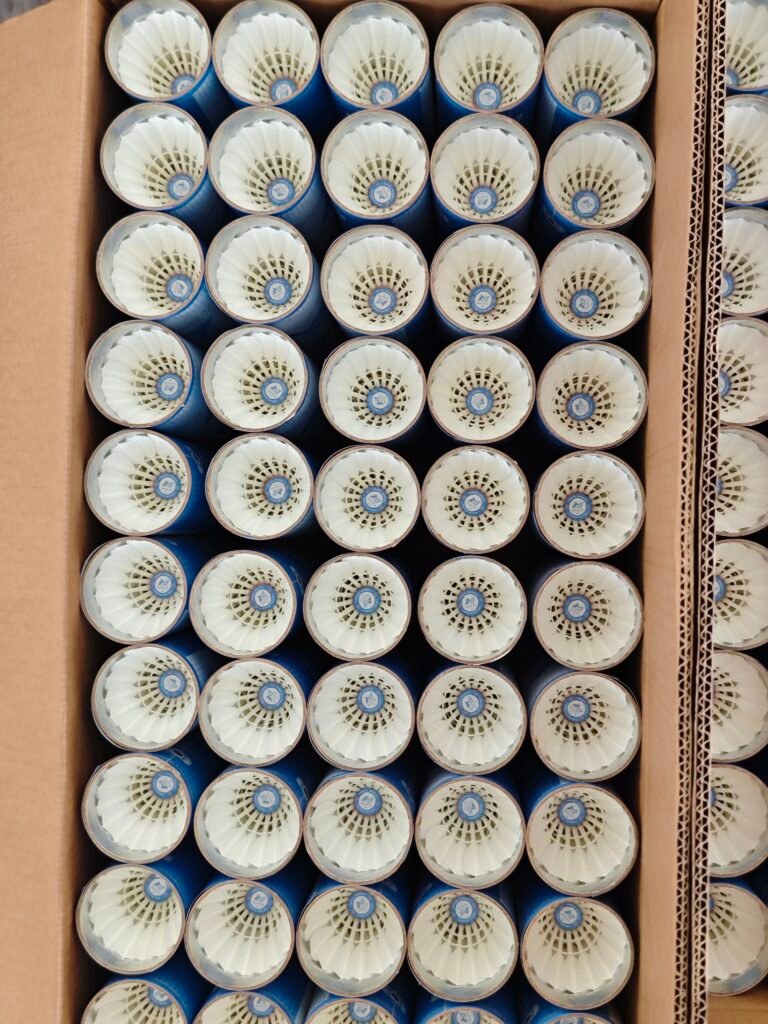
We confirmed the total number of 2,000 tubes.
We provided the final carton quantity.
We checked the labels according to their requirements.
We also provided shipment videos as requested.
The customer could see the final condition of the goods before they left.
After that, the shipment was released to the customer’s nominated freight forwarder.
The forwarder received the cargo successfully.
The first order was completed.
From Factory Visit to No Factory Visit
What is interesting about this order is how the buyer’s risk-control plan changed over time.
The original idea was:
Visit the factory first, then place the order.
The factory visit was cancelled.
Then the plan became:
Place the order, but arrange a third-party inspection before shipment.
The inspection was also cancelled.
In the end, the customer relied on:
previous email communication;
paid sample testing;
agreed product specifications;
production communication;
packaging videos;
carton quantity confirmation;
shipping evidence;
their own freight forwarder.
We do not interpret this as the customer suddenly becoming careless.
We interpret it as trust increasing gradually.
Trust was not created in one moment.
It accumulated through the entire order.
The Sample Was Probably the Most Important Starting Point
Before a buyer can trust a shuttlecock factory, they need something more concrete than promises.
For this customer, the approved samples were important because they established what the bulk product was supposed to be.
This matters greatly in OEM shuttlecock manufacturing.
One of the most common fears in international sourcing is:
Will the bulk order be the same quality as the sample?
A supplier could theoretically prepare an excellent sample, win the order, and then reduce the quality during mass production.
The buyer cannot completely eliminate this risk with emails.
This is why reputation matters.
For us, the sample should be the production reference.
If the customer approves a certain product, bulk production should follow that product.
Otherwise, we may earn money once, but we will probably never receive the second order.
There Is a Big Difference Between Making Money Once and Building a Business
This is one of our basic views of international trade.
There is a huge difference between:
making a good profit from one order
Dan
building a customer who continues ordering.
If a supplier only thinks about the first payment, many shortcuts become tempting.
Use a cheaper feather.
Change the cork.
Reduce quality control.
Replace packaging materials.
Delay the order because another customer offers a better margin.
These decisions may improve the profit on one shipment.
But they also destroy trust.
We would rather make a reasonable profit and give the customer a product they can continue selling.
Because the value of a customer is not one order.
The value is what happens after the first order.
Quality Is Part of Trust
Trust in international trade is sometimes discussed as if it is only about money.
It is not.
Product quality is part of trust.
When the customer approves a shuttlecock sample, they trust us to maintain the agreed standard during bulk production.
For a feather shuttlecock, that can include:
feather quality;
feather matching;
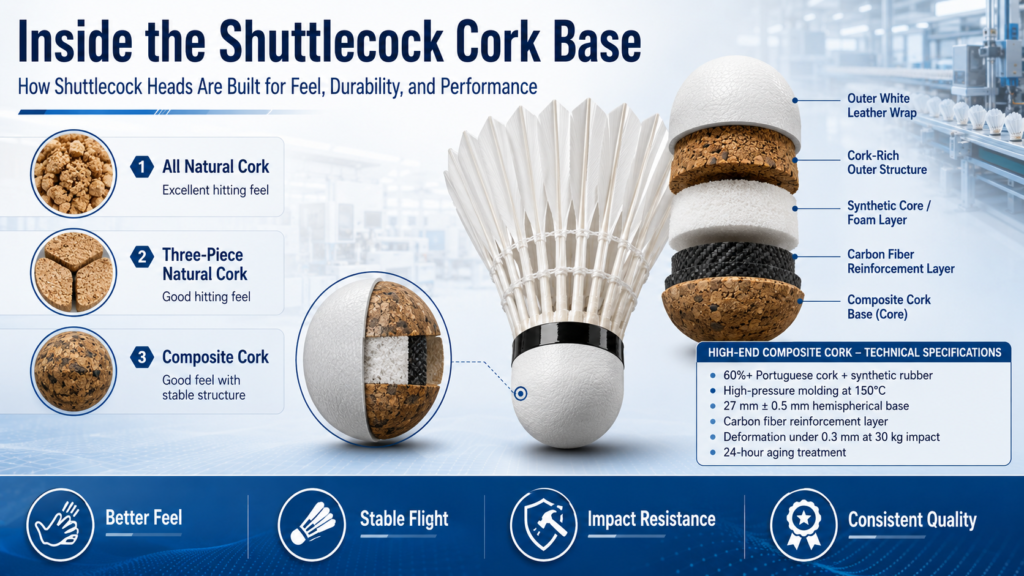
cork structure;
glue quality;
shuttlecock speed;
wobble control;
durability;
packaging.
A supplier does not build trust by making promises.
It builds trust by keeping the product consistent after the order becomes larger.
Delivery Time Is Also Part of Trust
The same principle applies to production schedules.
A delayed shipment can create serious problems for a buyer.
The customer may have already planned:
a product launch;
club distribution;
wholesale deliveries;
promotional activity;
seasonal sales;
inventory replenishment.
If the supplier misses the promised delivery date, the buyer may lose much more than the value of the goods.
This is why we do not separate delivery reliability from supplier reliability.
A good shuttlecock delivered too late can still become a bad order.
During this particular order, there were some adjustments in the final packaging stage.
We even had to correct a packaging-label mistake and rework part of the packing.
That cost us additional labour and nearly a full working day.
But the customer’s shipment schedule was still protected.
The goods were handed over without delaying the planned shipment.
That is part of our responsibility.
Trust Does Not Mean Buyers Should Ignore Risk Control
We want to be clear about this.
We are grateful when a customer trusts us.
But we do not believe a buyer should blindly trust any supplier.
A serious buyer should still protect themselves.
For a first OEM shuttlecock order, reasonable steps may include:
checking company information;
testing paid samples;
confirming specifications in writing;
approving packaging artwork;
requesting production updates;
checking final packing;
using third-party inspection if necessary;
working with a trusted freight forwarder;
using reasonable payment terms.
Trust and verification are not opposites.
Good cooperation usually contains both.
The difference is that verification becomes easier as the supplier repeatedly proves reliable.
Our Website Started the Contact, but the Order Was Won After the Contact
This customer originally reached us through our official website.
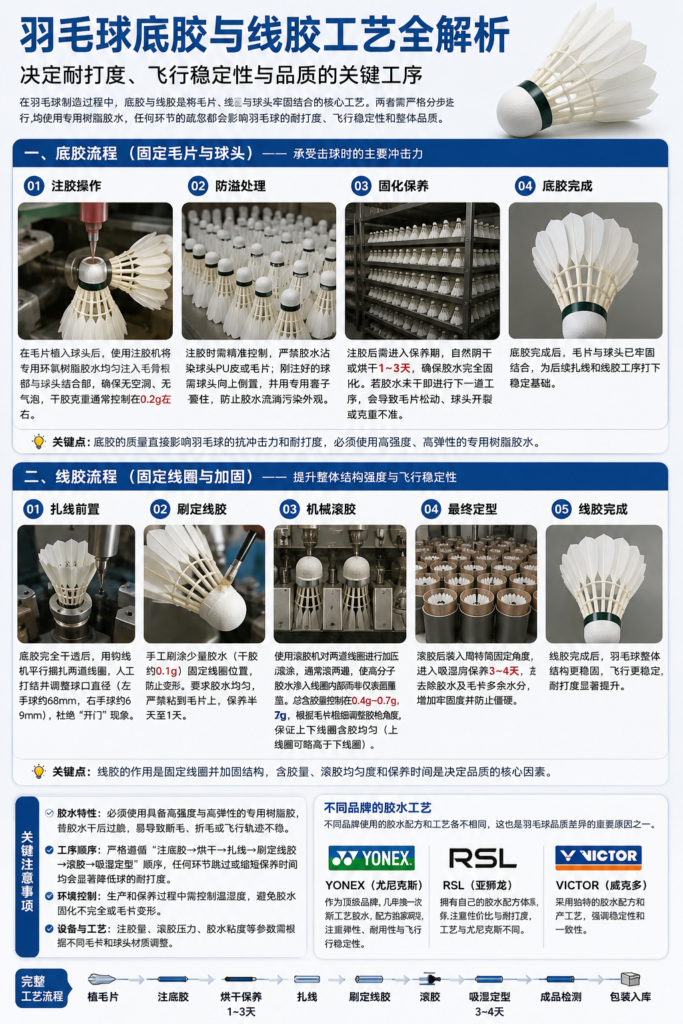
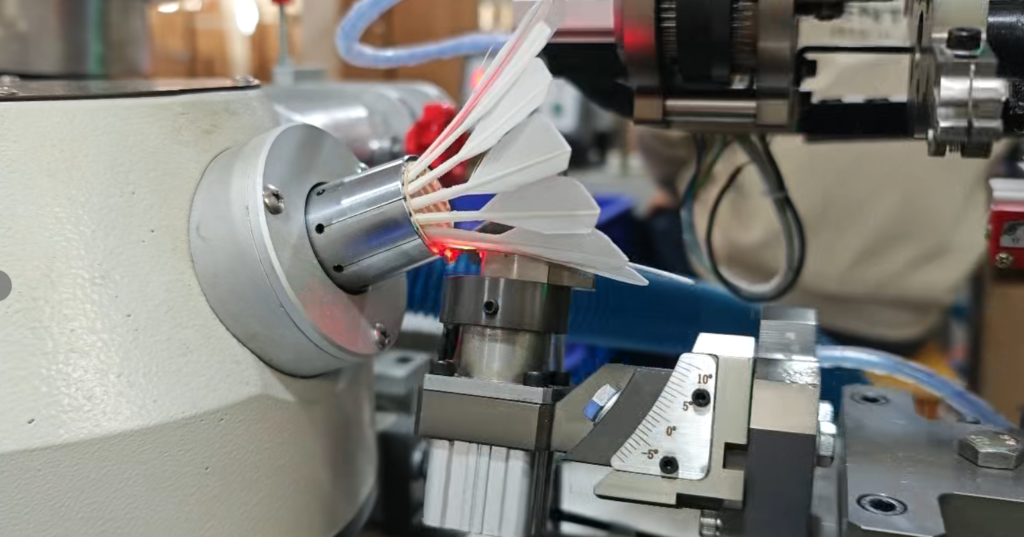
That is important to us because it also explains why we put so much effort into showing how shuttlecocks are actually made.
A factory website should not only contain:
“High Quality.”
“Competitive Price.”
“Contact Us Now.”
A serious buyer wants more information.
They may want to know:
where the feathers come from;
how feathers are graded;
what cork structures are available;
how feathers are inserted;
how base glue and thread glue are applied;
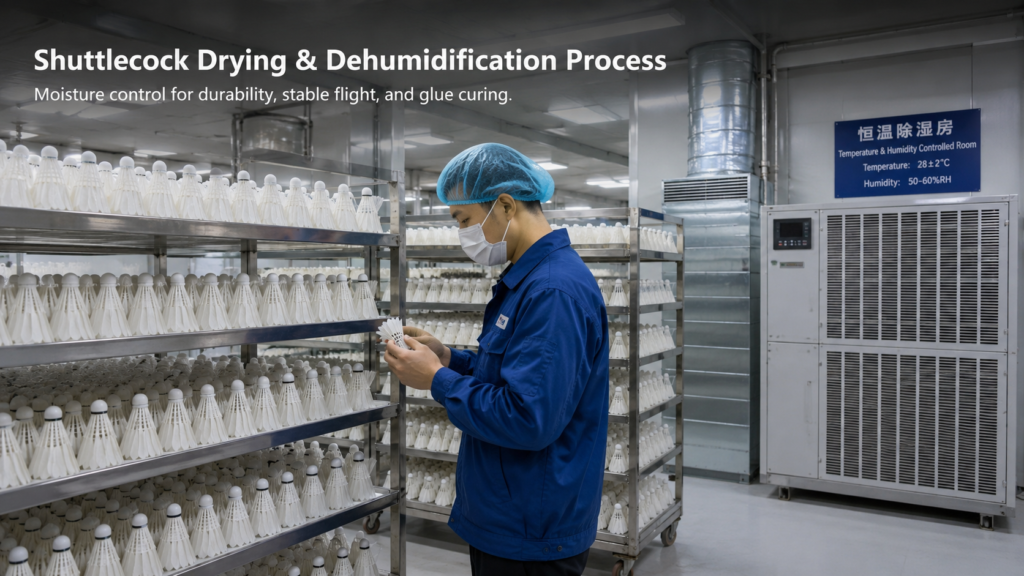
how shuttlecocks are dried;
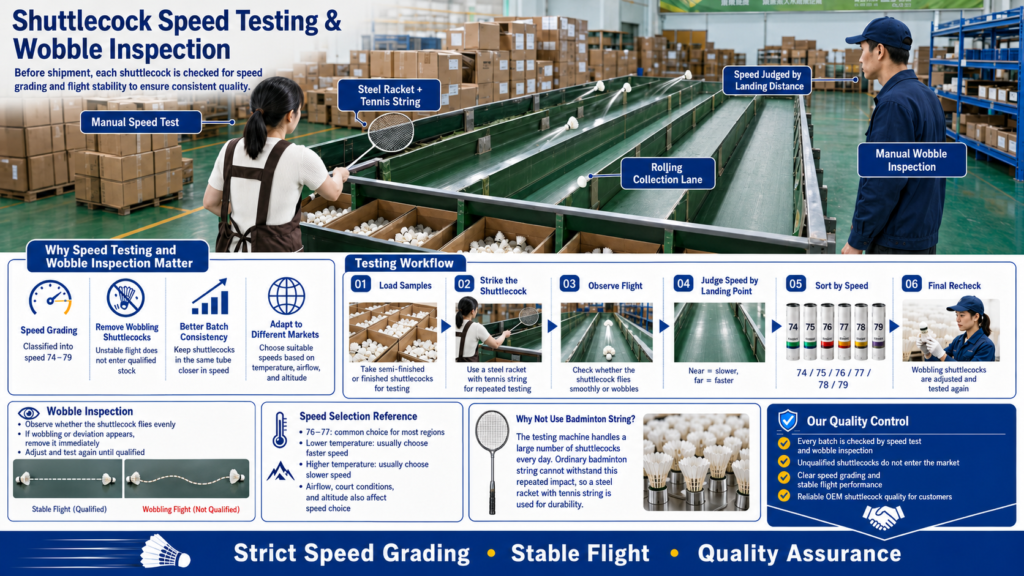
how speed is tested;
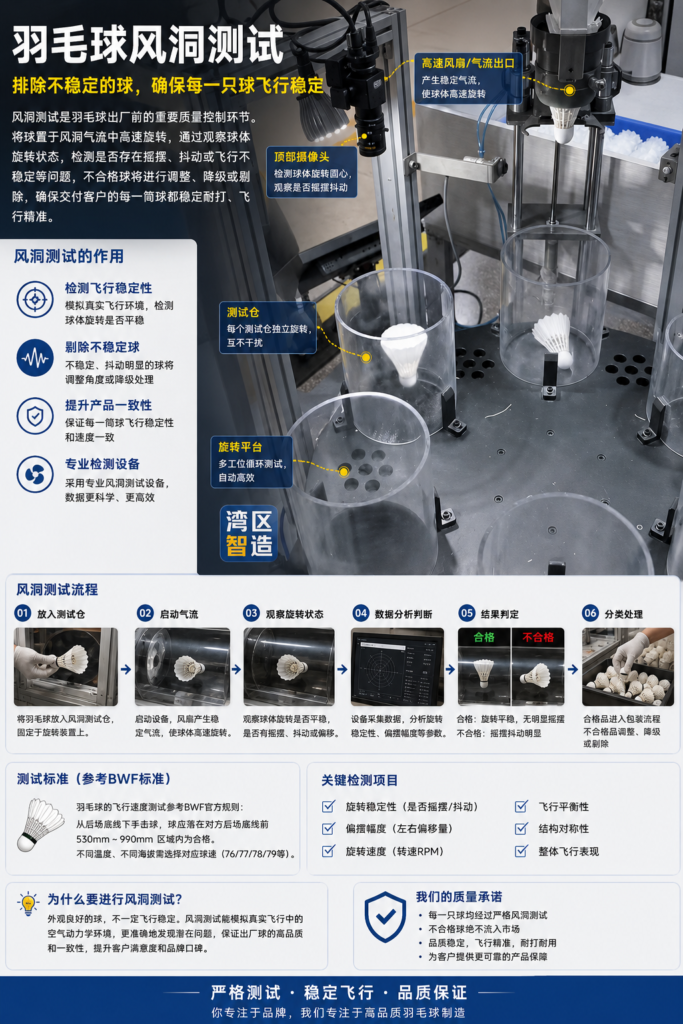
how wobbling shuttlecocks are identified;
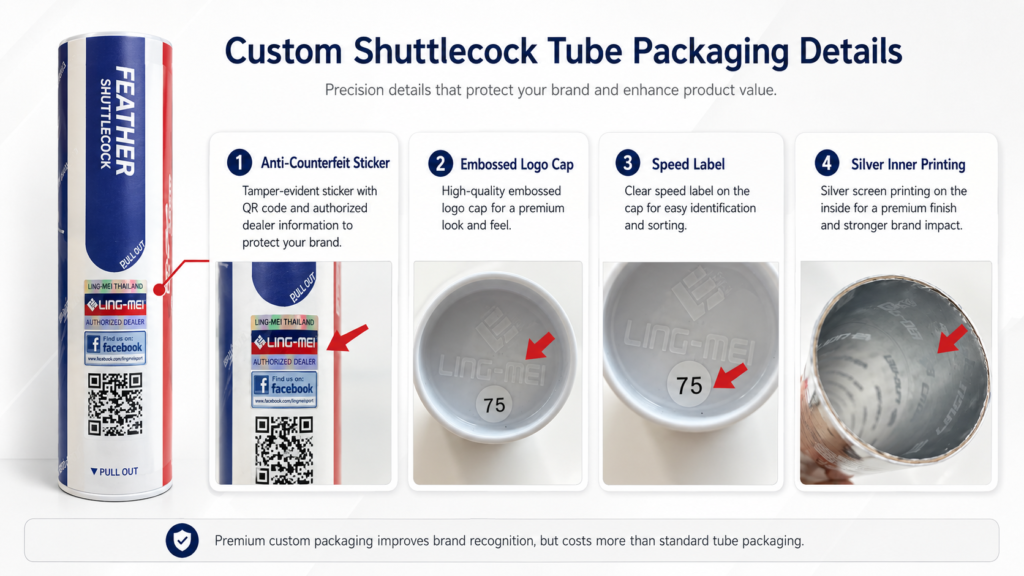
how custom packaging is handled.
The website cannot create complete trust by itself.
But transparency can help a buyer decide whether the supplier is worth contacting and testing.
Then the supplier has to prove the rest through real communication and real production.
What We Learned From This Customer
The biggest lesson was not about payment terms.
It was not about inspection.
It was not even about the 2,000 tubes.
It was about how trust develops between two companies that originally know almost nothing about each other.
At first, the customer trusted us enough to reply to the emails.
Then enough to pay for samples.
Then enough to continue discussing specifications.
Then enough to place a commercial order.
Then enough to pay the 30% deposit without visiting the factory.
Eventually, enough to cancel the planned third-party inspection and rely on our final packing evidence and their nominated freight forwarder.
Each step made the next one possible.
That is what we mean by trust.
We Are Grateful, but We Also Understand the Responsibility
A customer sending money from another country is not something we should consider normal simply because we are exporters.
The customer is taking a risk.
We understand that.
If they choose us despite that risk, our job is not only to finish an order.
Our job is to make sure they do not regret the decision.
That means protecting:
quality;
specifications;
delivery time;
packaging;
communication;
reputation.
We know there are suppliers in every industry who think only about the money already received.
That is not how we want to operate.
A business that wants to stay in the market for years cannot survive by disappointing every new customer once.
Final Thoughts
This was our real experience with one new OEM shuttlecock customer.
They found us through our website.
We communicated for around two weeks.
They paid for samples.
They tested the shuttlecocks.
Their planned factory visit was cancelled.
They still placed the first order.
They paid a 30% deposit.
They originally planned a third-party inspection.
That inspection was eventually cancelled.
We provided final packing videos, confirmed the 2,000 tubes and carton quantity, provided the requested shipping evidence, and delivered the cargo to the customer’s nominated freight forwarder.
Everything went smoothly in the end.
But none of this happened because the customer had no concerns.
It happened because those concerns were gradually answered.
For us, that is what international business comes down to.
A quotation may start the conversation.
A sample may prove the product.
A contract may define the responsibilities.
An inspection may reduce the risk.
But long-term cooperation still depends on something much harder to produce:
trust.
And trust is built only when what you deliver matches what you promised.
There is a big difference between making money from one order and building a business that can keep receiving orders.
We know which one we want.