


Berita
Why Are Badminton Shuttlecocks So Expensive? Goose Feathers, Duck Feathers & Synthetic Alternatives
If you play badminton regularly, you have probably noticed how much shuttlecock prices have changed over the past few years.
During 2024 and 2025, natural feather prices increased sharply. Shuttlecock brands raised prices, clubs spent more on consumables, and players began looking for cheaper alternatives.
Although prices have corrected in parts of the market during 2026, good feather shuttlecocks are still relatively expensive.
So why does such a small product cost so much?
The answer starts long before a shuttlecock reaches the factory.
Daftar isi
AlihkanWhy Are Goose Feathers So Expensive?
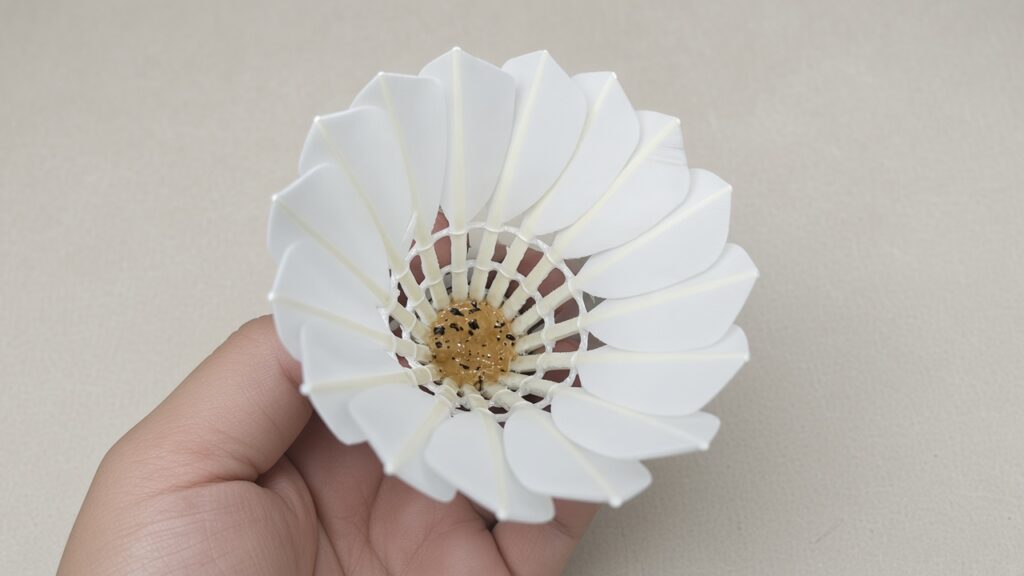
A standard feather shuttlecock requires 16 carefully matched feathers.
But not every feather from a goose can be used.
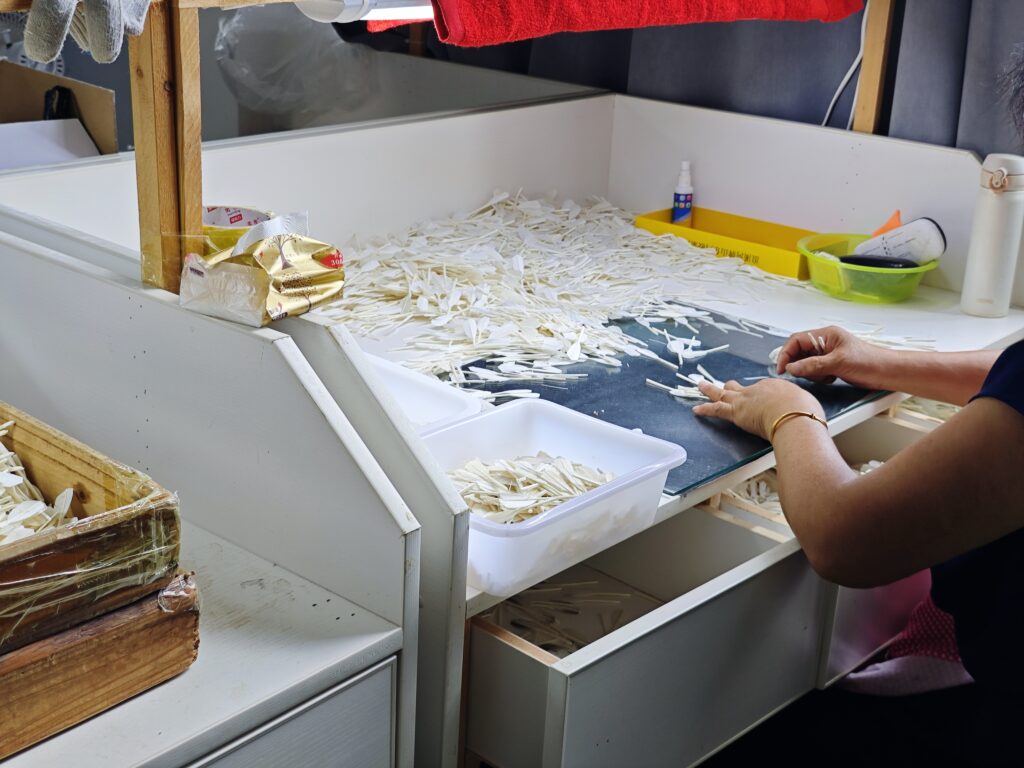
For higher-grade shuttlecocks, manufacturers look for suitable wing feathers with consistent length, curvature, shaft strength and feather surface.
Even feathers from the same bird can vary considerably.
In our feather processing and shuttlecock production work, we pay particular attention to how feathers are matched. If the shafts are too different in thickness or the curvature is inconsistent, the finished shuttlecock may develop flight problems.
This is why a large supply of goose feathers does not automatically mean a large supply of tournament-grade shuttlecock feathers.
The expensive part is not simply buying goose feathers. It is finding enough suitable feathers that can work together in one shuttlecock.
Why Can’t Farmers Simply Raise More Geese?
This sounds like an obvious solution.
If goose feathers are expensive, why not raise more geese?
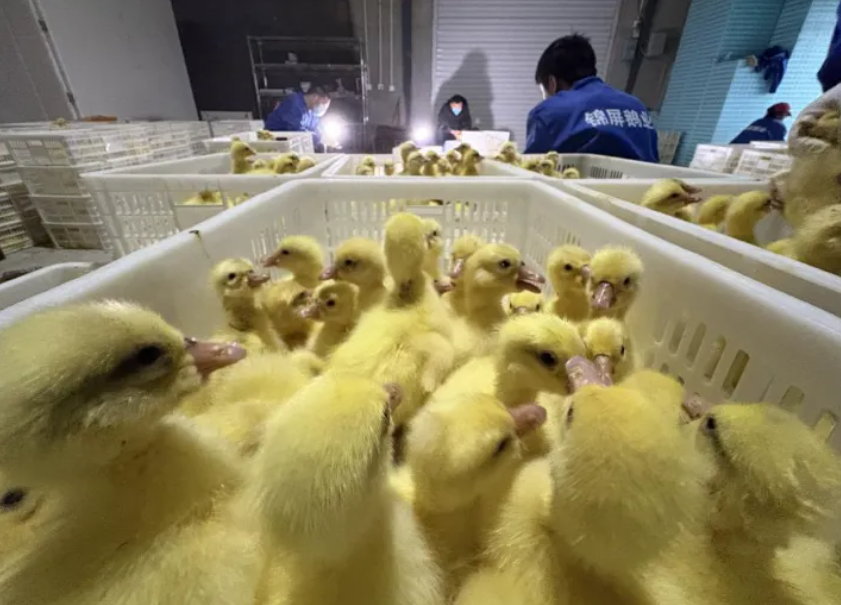
The difficulty is that geese are primarily raised as part of the poultry industry, not exclusively for badminton.
Farmers need profitable markets for goose meat and other products. Their decisions depend on feed prices, farming costs, disease risks and consumer demand.
Feathers are only one part of that business.
China’s commercial goose production recovered in 2025, but increasing the number of birds does not guarantee an equivalent increase in high-grade shuttlecock feathers.
There is also a delay between farming decisions, slaughter, feather collection, processing and finished shuttlecock production.
That is one reason raw material shortages and price fluctuations cannot be solved overnight.
Are Duck Feather Shuttlecocks a Good Alternative?
Yes, and this is where buyers need a more balanced understanding of quality.
Goose feather shuttlecocks are commonly used for premium club and tournament products because selected goose feathers can provide excellent shaft strength and flight consistency.
Duck feather shuttlecocks are widely used for training, recreational badminton and price-sensitive markets.
However, it is misleading to say that every goose feather shuttlecock is better than every duck feather shuttlecock.
A poorly manufactured goose feather shuttlecock can perform worse than a carefully selected duck feather model.
The finished quality also depends on:
- feather grading and matching;
- cork structure;
- assembly accuracy;
- glue and thread quality;
- moisture control;
- speed and wobble testing.
For OEM buyers, the correct decision is not simply goose versus duck.
It is whether a particular model delivers the right performance at the right price.
What About Chicken Feathers?
Chicken feathers are sometimes mentioned as another possible raw material.
However, they are not widely used for mainstream competitive feather shuttlecocks.
The difficulty is finding feathers with the suitable dimensions, shaft properties and consistency required for reliable flight and durability.
Special processing may improve some materials, but it also adds cost.
From a commercial manufacturing perspective, a cheaper raw feather is not necessarily economical if too many pieces are unsuitable or the finished shuttlecock performs poorly.
For now, goose and duck wing feathers remain the established natural materials for most commercial feather shuttlecocks.
Can Synthetic Shuttlecocks Solve the Price Problem?
Synthetic shuttlecocks have improved considerably.
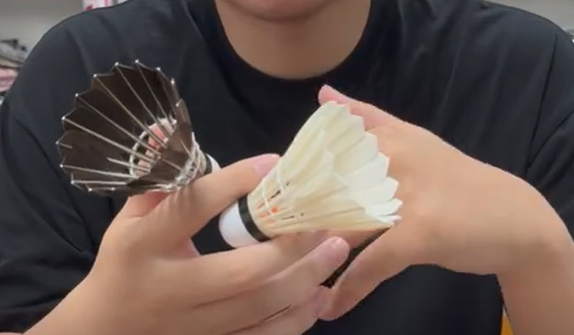
Modern products can use engineered feather-like structures rather than the traditional one-piece nylon skirt familiar to many recreational players.
In April 2026, the Badminton World Federation approved selected synthetic shuttlecocks from VICTOR and YONEX for use at certain Grade 3 and Junior International tournaments.
That is meaningful progress.
But there is an important misunderstanding:
Synthetic does not automatically mean cheaper.
Some advanced synthetic products cost as much as, or even more than, natural feather shuttlecocks.
Their commercial advantage depends on how long they last and whether players accept their flight and hitting feel.
A synthetic shuttlecock that lasts significantly longer may reduce a club’s playing cost.
But if it costs almost the same as a natural feather shuttlecock and players prefer the natural product, the reason to switch becomes less convincing.
This is particularly relevant in 2026, as natural feather prices have moved down from their previous peaks.
Goose vs Duck vs Synthetic: Which Offers Better Value?
| Shuttlecock Type | Main Advantage | Main Consideration |
|---|---|---|
| bulu angsa | Traditional feel and premium performance potential | Higher cost for selected grades |
| Bulu bebek | Flexible price and quality options | Durability varies by grade |
| Traditional nylon | Durability and convenient recreational use | Different flight and hitting feel |
| Advanced synthetic | Potential durability and supply advantages | Price and player acceptance |
No material wins every category.
A tournament player, a school coach and a wholesale distributor may reasonably choose different shuttlecocks.
The real calculation should include product cost, flight performance, durability and how often the shuttlecock needs replacing.
Our View as a Shuttlecock Manufacturer
We work with natural feathers and understand why high-quality goose feathers remain valuable.
But we also believe the industry needs affordable alternatives.
Duck feather shuttlecocks already serve an important part of the market.
Synthetic products may develop further, especially for schools, recreational badminton and high-volume training.
However, new materials should be judged by actual performance rather than marketing claims.
And the same applies to natural feathers.
A buyer should not assume that a shuttlecock is excellent simply because the supplier calls it a premium goose feather product.
Physical testing matters.
Final Thoughts
Good badminton shuttlecocks are expensive because consistent flight requires careful material selection and manufacturing control.
The cost is not just in the feather itself.
It is in selecting, matching, assembling and testing the complete shuttlecock.
Goose feathers remain important for premium products. Duck feathers offer practical alternatives, and synthetic shuttlecocks are becoming more competitive.
We expect all three categories to continue serving different parts of the market.
The best shuttlecock is not necessarily the most expensive one. It is the one that gives players the right balance of flight, durability, feel and actual playing cost.
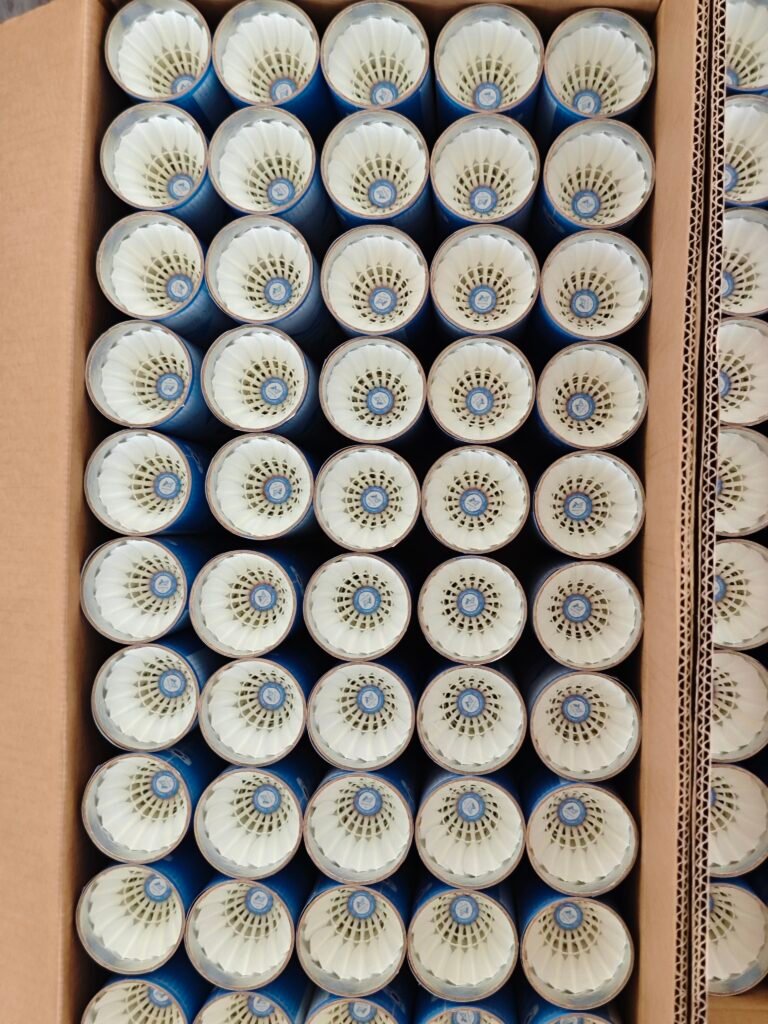
For badminton brands and wholesale buyers developing OEM shuttlecocks, we recommend comparing physical samples before deciding on the material or price level.
A suitable product that customers want to reorder is worth much more than an impressive specification on paper.