

News
Badminton, once seen as a casual and affordable sport, is now facing a quiet but significant transformation. In China, what used to be a low-cost activity has started to carry the hallmarks of a premium pastime. With the price of shuttlecocks rising sharply, the industry is entering a period of adjustment that both players and distributors must pay attention to.
The Rising Cost of Playing Badminton Shuttlecock
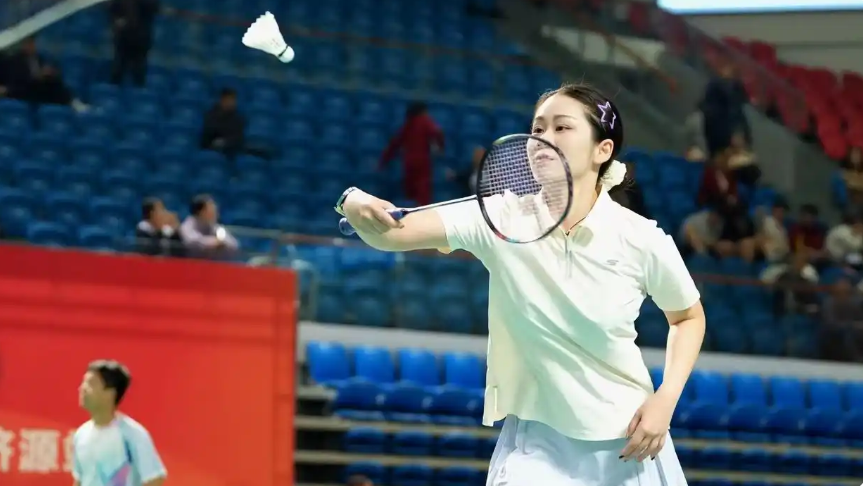
In cities like Beijing, a typical weekend game for two hours now includes venue fees of over ¥150 per hour and the use of 3–4 shuttlecocks, each costing ¥10 or more. The total cost easily exceeds ¥300, edging badminton closer to the category of “niche luxury sports.”
The most noticeable shift, however, is the price of the shuttlecocks themselves. Since 2023, leading brands such as Yonex, Victor, and RSL have implemented multiple rounds of price hikes, citing material and production costs. For example, the Yonex AS-05 has doubled in price in just two years, soaring from ¥95 to ¥190 per tube. Similarly, other models have seen average increases of 10–15%.
The Real Culprit: Goose Feather Supply
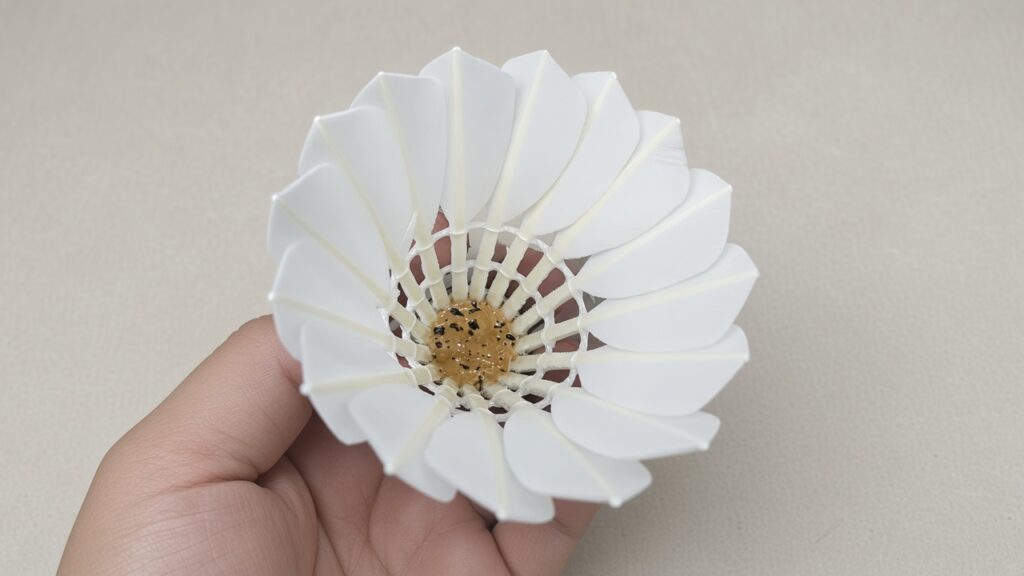
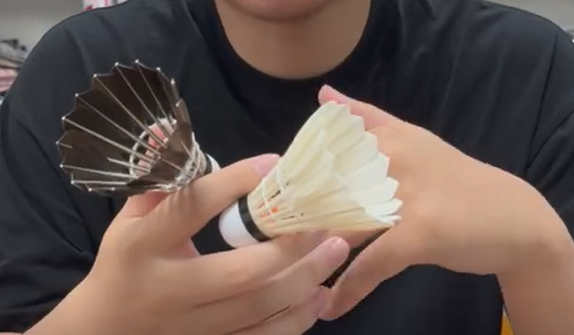
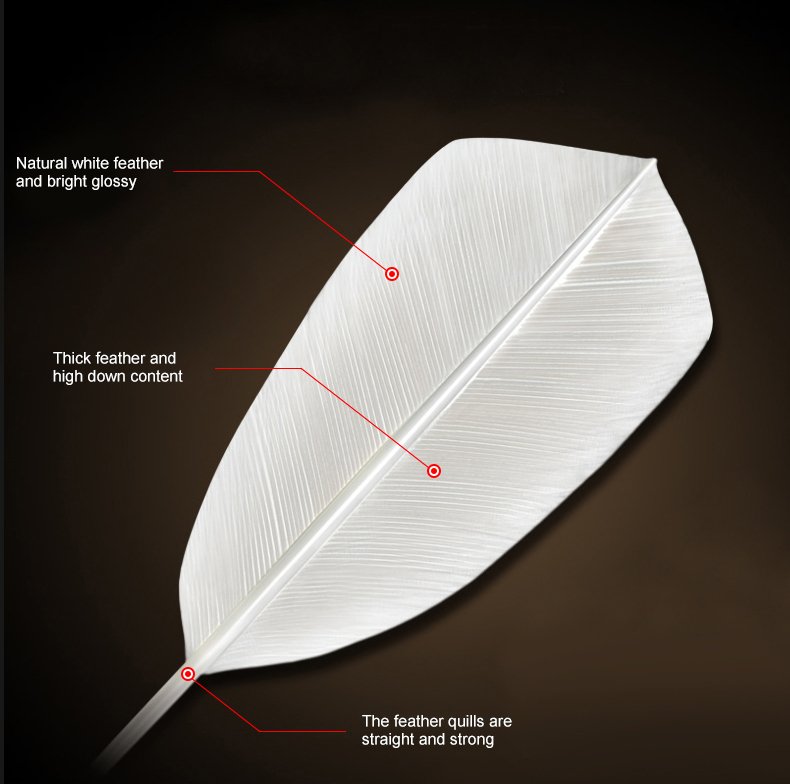
At the heart of this price surge is one of badminton’s most humble yet vital components — high-grade goose feathers. Specifically, manufacturers rely on the 4th to 10th primary feathers (called knife feathers) from the goose’s wing. These feathers are known for their strength, flexibility, and wide vane surface, all of which are critical for producing tournament-grade shuttlecocks.
However, quality feathers are becoming increasingly difficult to source.
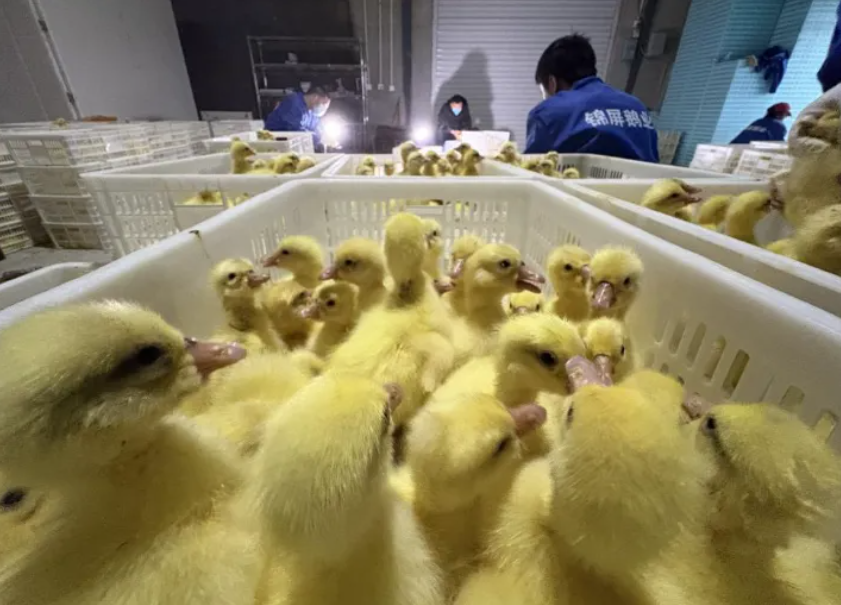
China’s poultry industry — primarily focused on meat production — has seen a sharp drop in goose and duck output. From 2019 to 2024, market data shows that the country’s commercial duck production fell by over 13%, while goose numbers dropped by 10%. As a result, fewer birds means fewer usable feathers, and the price of top-grade raw feathers has skyrocketed — from ¥70 per jin in 2022 to over ¥300 per jin in 2024.
Moreover, modern breeding cycles are shortening. White-feather meat ducks can now be slaughtered in just 35–40 days, long before their wing feathers have developed the toughness required for shuttlecock production. This shift favors meat yield but devastates the supply of feather material.
What This Means for Shuttlecock Buyers and Brands
With mainstream brands passing these rising costs onto consumers, many distributors, resellers, and private-label brands are looking for alternative suppliers — particularly OEM shuttlecock manufacturers who offer better pricing without compromising on quality.
This is where we come in.
Your OEM Solution for Feather Shuttlecocks
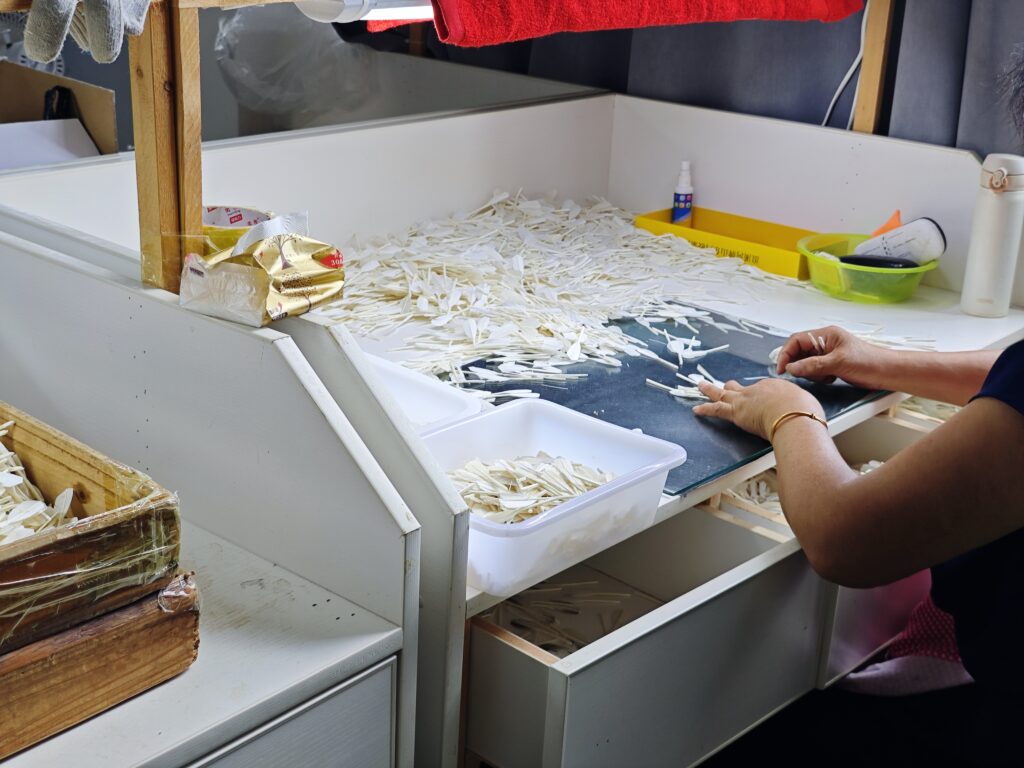
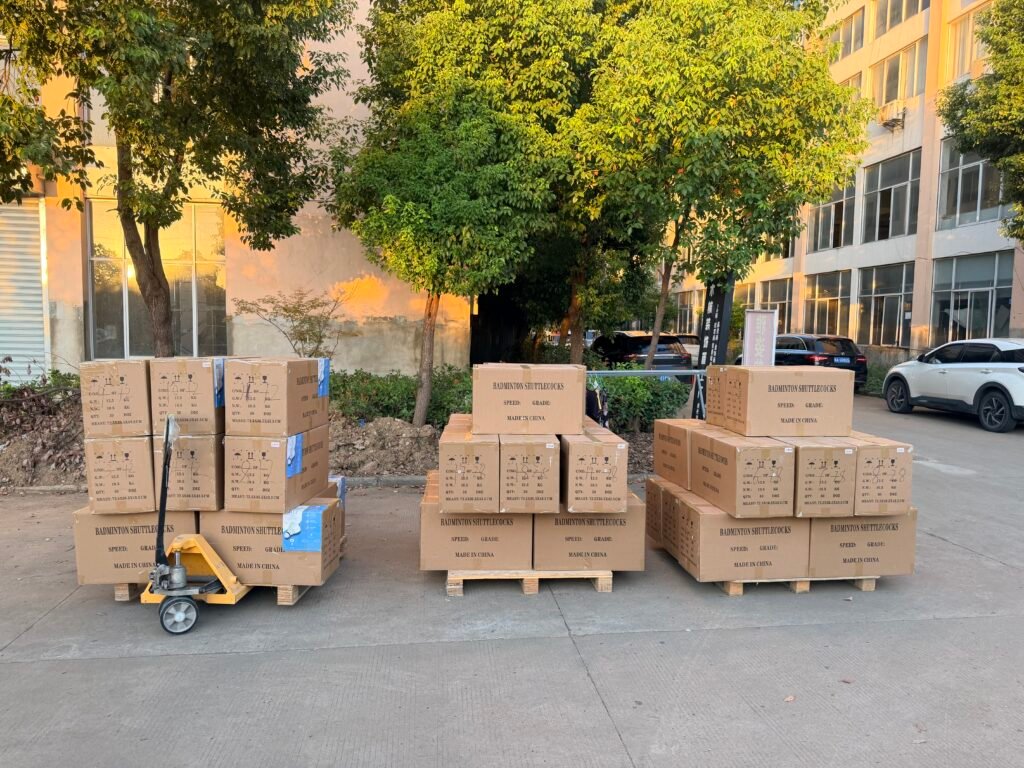
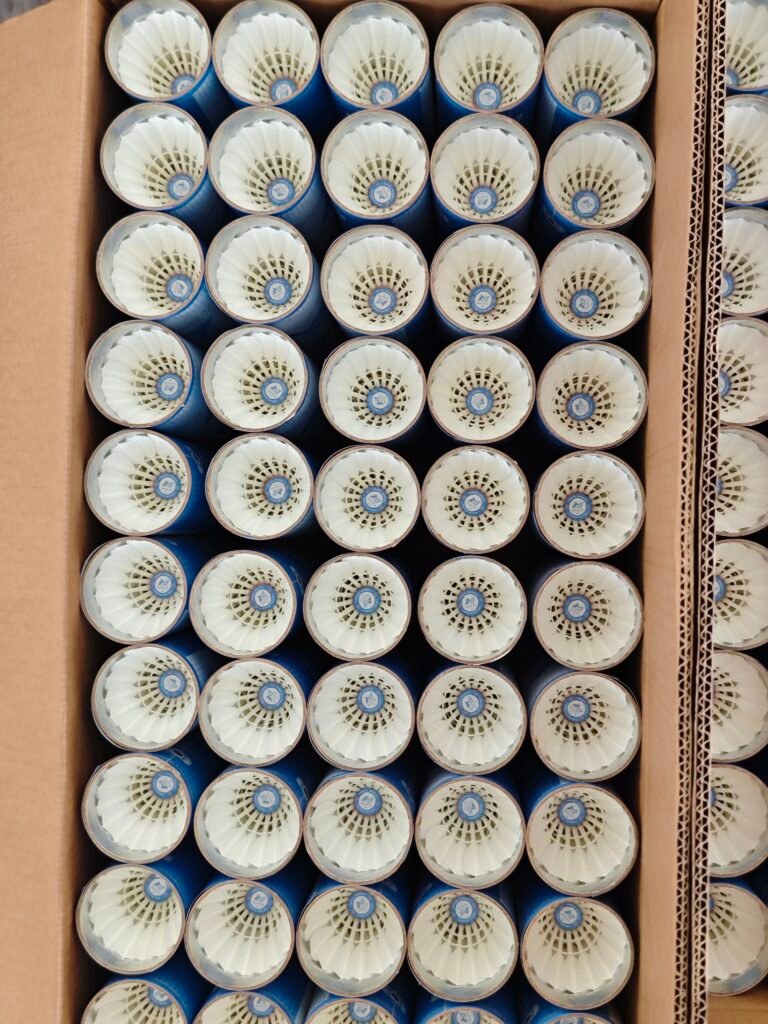
As a factory with in-house feather processing (washing, drying, sterilization, shaping) and complete shuttlecock assembly lines, we offer:
-
🪶 Stable access to premium feathers despite market volatility
-
🏸 Custom shuttlecock production for training, tournament, or recreational use
-
🧾 OEM/private label options for global buyers and brands
-
🚢 Export-ready support with competitive pricing and consistent quality
Whether you’re a national distributor or an emerging sports brand, working directly with an OEM partner allows you to sidestep retail markups and gain more control over your supply chain.
Ready to learn more or request a sample?
Contact us today to receive a full catalog and price list. In a market where costs are rising fast, it pays to move ahead with the right partner.