

News
Related posts

Why Are Badminton Shuttlecocks So Expensive? Goose Feathers, Duck Feathers & Synthetic Alternatives
If you play badminton regularly, you have probably noticed how much shuttlecock prices have changed over the past few years.
During 2024 and 2025, natural feather prices increased sharply. Shuttlec...
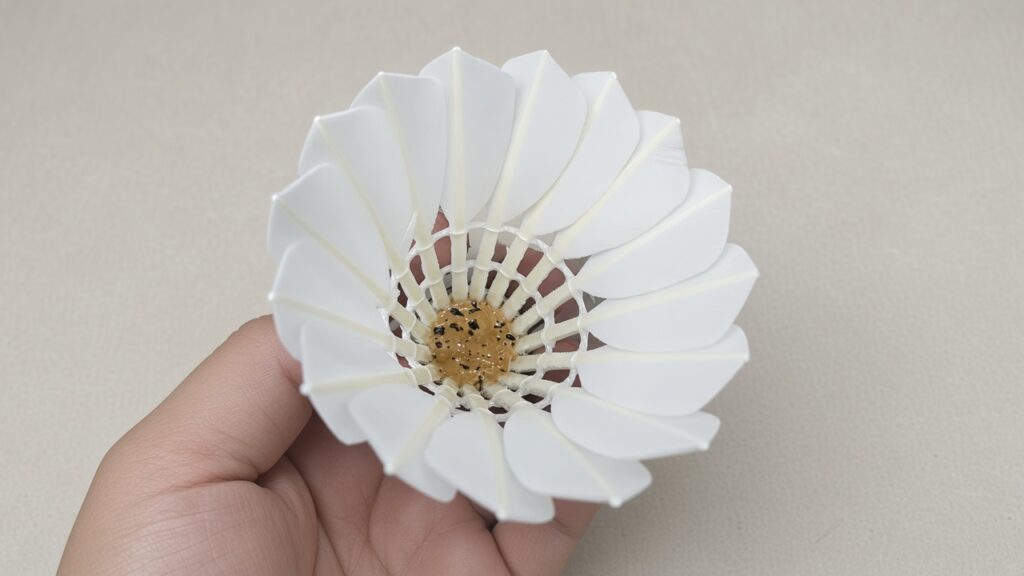
Shuttlecock Price Outlook After China’s October Holiday: Why Our Factory Did Not Raise Most Prices
October 10, 2026 | Factory Market Update
Before China's National Day holiday, we expected shuttlecock prices might increase when factories resumed production.
Today, our management team reviewed...
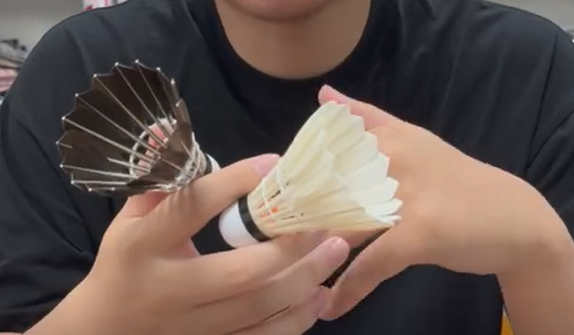
What Are “Black-Washed-White” Shuttlecock Feathers? A 10,000-Dozen OEM Order for Korea
After the recent holiday break, our shuttlecock factory received an order for **10,000 dozen shuttlecocks** from a Korean customer.
That equals 120,000 shuttlecocks.
One detail makes this order ...
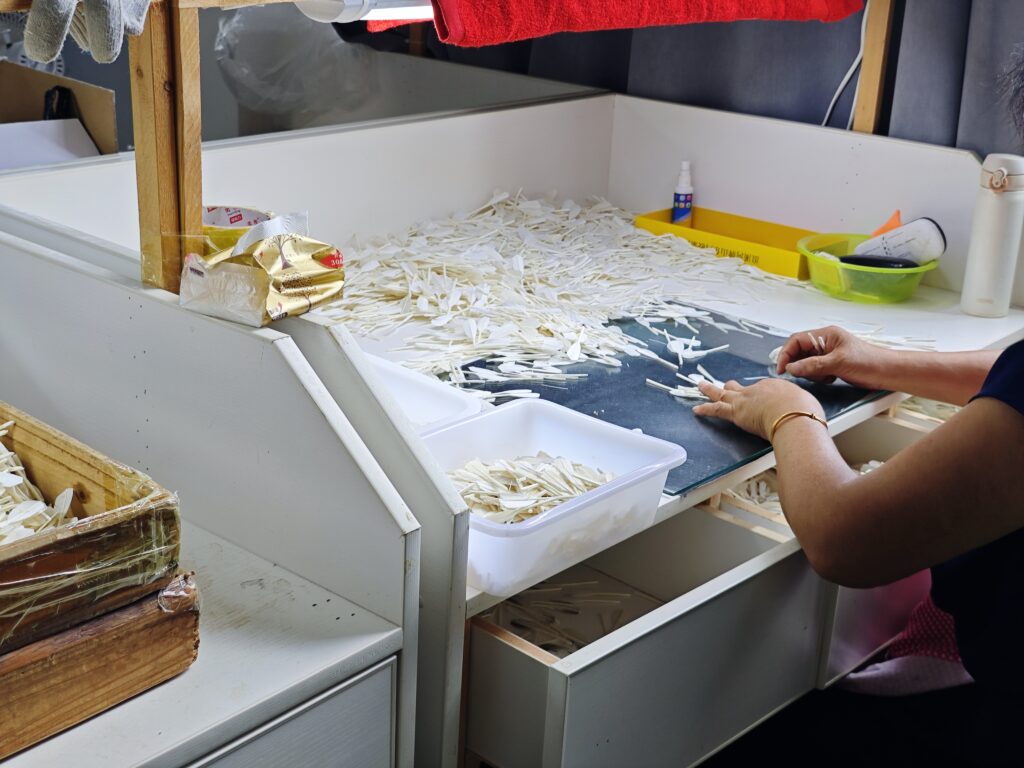
Why Are Shuttlecock Prices Falling While Feather Costs Remain High?
The 2026 shuttlecock market looks contradictory.
In parts of the feather supply chain, shuttlecock-grade feather quotations remain firm and can still move upward.
At the same time, major badminton b...

China Goose Farming Outlook 2024–2031: What It Could Mean for Shuttlecock Feather Supply
China is one of the most important sources of goose feathers used in badminton shuttlecock production.
That is why changes in the Chinese goose farming industry matter not only to poultry producers, ...

Synthetic Shuttlecocks in 2026: Are They Really Cheaper Than Feather Shuttlecocks?
The badminton shuttlecock market has changed unusually fast.
After several years of rising prices, natural feather shuttlecock prices began falling again in 2026. At almost the same time, synthetic...

When Price Is Not the Problem: Trust Between a Buyer and a Shuttlecock Supplier
Not every business enquiry stops because of price.
Recently, a potential customer from the Netherlands contacted us through our official website about badminton shuttlecocks.
We discussed the pr...

How We Prepare Shuttlecock Samples for OEM Buyers: Model Marking, Protection and Testing
Before a buyer places a bulk shuttlecock order, there is one stage we consider more important than quotations, product photos or factory videos:
sample testing.
Recently, we prepared another set of ...
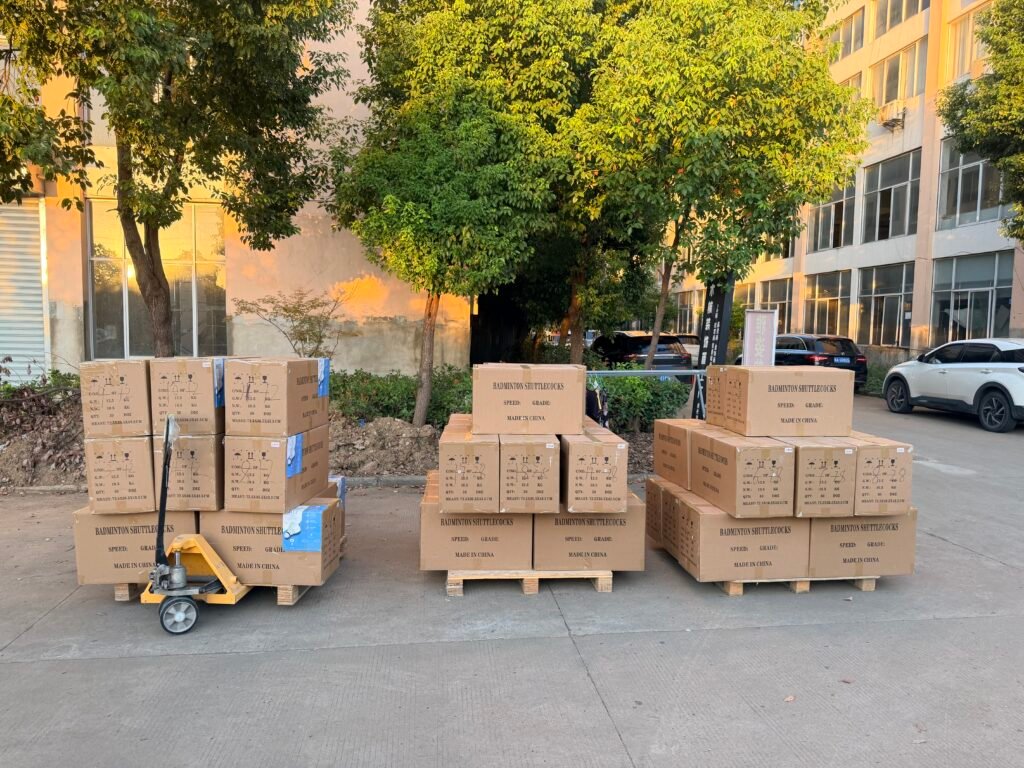
A Real OEM Shuttlecock Order: How Trust Developed Before a 2,000-Tube Shipment
There is nothing unusual about a buyer paying a deposit for an international order.
What is easy to forget is how much trust sits behind that payment.
The buyer and supplier may be thousands of ...
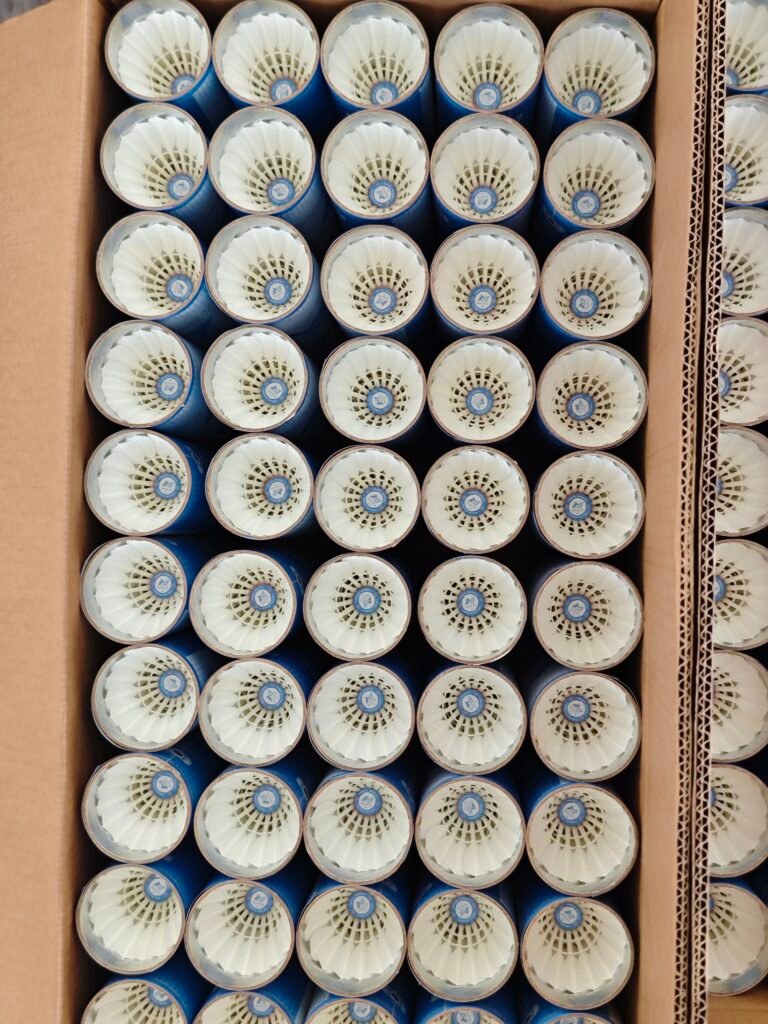
A Small Packaging Mistake That Cost Us a Full Day — Lessons from a Custom Shuttlecock Order
Custom shuttlecock packaging often looks like the easiest part of an OEM order.
The feathers have already been selected. The shuttlecocks have been assembled, glued, dried, speed-tested, and inspec...
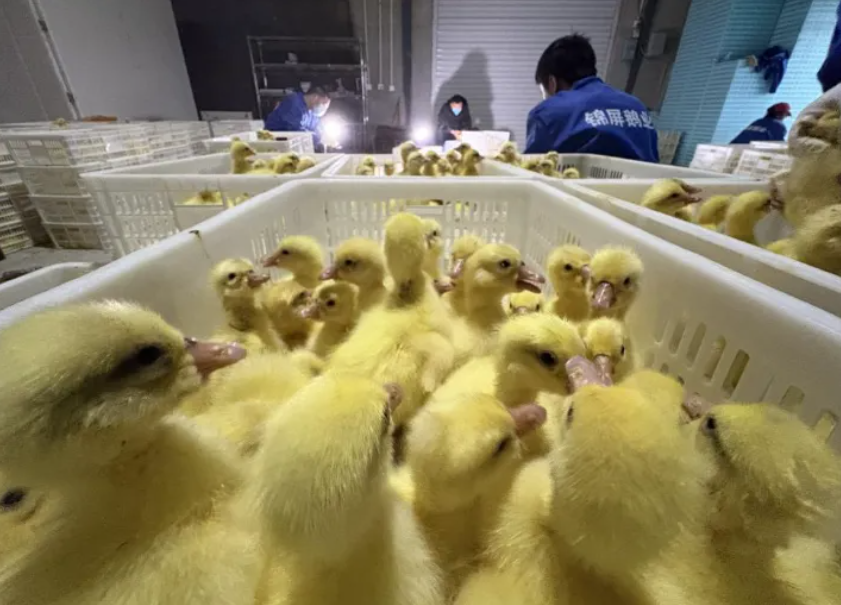
Synthetic Shuttlecocks Face a Reality Check in 2026 as Feather Prices Fall
For the past few years, synthetic shuttlecocks had one of the strongest arguments they had ever been given.
Natural feather shuttlecocks were becoming expensive.
Goose and duck feather supply tighte...

You Cannot Judge Shuttlecock Quality from Photos and Videos — Serious Buyers Test Samples
We regularly receive enquiries from buyers asking for a quotation, product photos, factory videos, packaging details, and technical specifications.
Providing a quotation is normal. Sharing product ph...